Missed my earlier posts? Don't worry, you can catch up by clicking the button below.

Thursday, April 28, 2022

A brief visit to Kasavanahalli

My birding trips continue to be short until my ankle injury heals completely. This week, I visited Kasavanahalli lake and just captured the bird activity at one end without much walking around. Here are the pics...

...
I reached the lake around sunrise time and the first sighting was this silhouette of a Little Egret...
...
An Asian Openbill looked great in the golden hour lighting...
...
It was constantly probing in the swamp and soon found what it was looking for...
...
The emerging sunlight brought a golden twinkle in a Little egret's eye...
...
I watched a patient fisherman, the Purple heron, waiting tirelessly for that opportune moment...
...
It remained still in a motionless meditative posture until a fish caught its eye...
...
A strike with lightning speed rewarded with the most hearty meal...
...

...

...

...
Another Purple heron sat with its alert eye and sharp beak at the ready. Patience is indeed a virtue for birding but matching with that of a Purple heron is a big big deal...
...
Hope you liked the post. Looking forward to read your thoughts in the comments section below...

Thursday, April 21, 2022

Birding after a 'break'

A minor ankle fracture from a twisting injury kept me away from bird watching trips. It is taking a really long time to heal. I recently visited Saul Kere lake. It was a short visit as there's still some pain around the ankle. I was happy to see some migrant birds still hanging around as the season ends. Here are the pic...

...
A female Asian Koel was the first sighting...
...
The male gazed at her from a distant tree...
...
A White-breasted Waterhen flew and perched on a nearby tree...
...
Several Lesser Whistling-Ducks were flying around...
...
Some Lesser Whistling-Ducks were found in the far reaches...
...

...
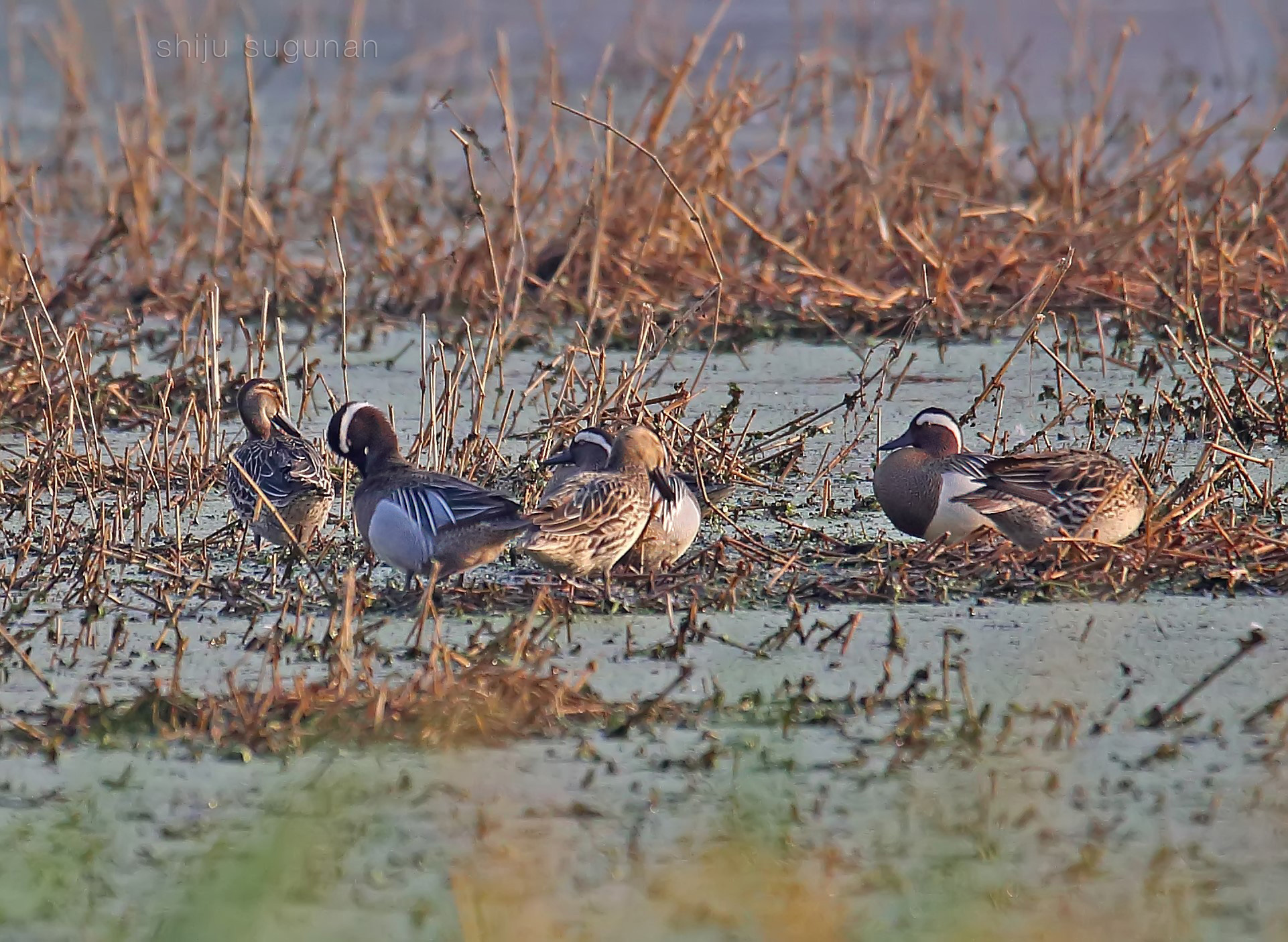
I saw a Garganey couple dabbling around in the water...
...
The handsome male Garganey...
...
A small flock of Garganeys. Three pairs...
...
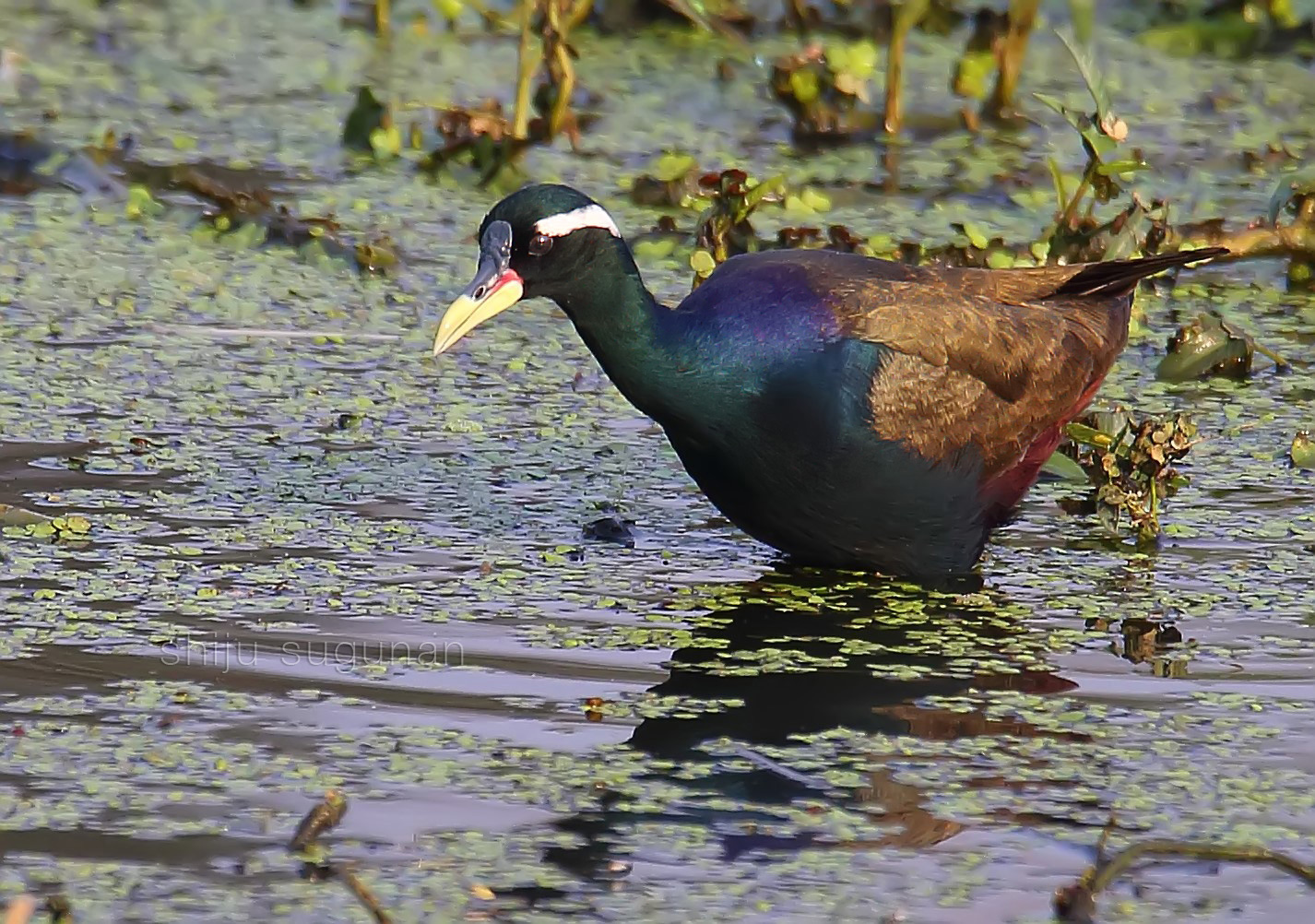
And a Bronze-winged Jacana foraged in the shallow water...
...
...
A Wood Sandpiper with his meal...
...
I watched the Garganeys for some more time...
...
...

...
A White-cheeked Barbet with his meal...
...
Another flock of Lesser Whistling-Ducks gave a fitting flypast to end my short outing...
...
Hope you liked the post. Do post your thoughts in the comments section below. 

Friday, March 04, 2022

Fostering Plain Tigers

 A few months back, I had planted a Bloodflower(milkweed) plant in the hope of breeding Plain Tiger Butterflies. It was wonderful to watch the metamorphosis. Here are the pictures...

...
The host plant is called bloodflower. The plant belongs to a group known as Milkweeds.
...
...
Mature female plain tigers lay their eggs on these plants...
...
Milkweeds secrete latex which contains chemicals called cardenolides, which are ingested by the larvae as they feed on the plant...
...
The cardenolides are toxic to potential predators (but not the larvae), and can be stored till they mature...
...
Cardenolides had evolved in plants as a defense against herbivores, but some herbivores, including plain tiger larvae, evolved enzymes to become able to process these cardenolides...

...

...
After few days of heavy eating of leaves, the larvae prepare for the Pupa stage...
...
It attaches itself to the wall...
...
Some get attached to the ceiling.... 

...
The pupal stage of the plain tiger lasts about 9 to 15 days, where the caterpillar hardens...
...

...

...
As days pass, the chrysalis becomes brown and the butterfly inside becomes visible...
...

...
I kept monitoring them so that I won't miss the adult butterfly stage. After a wait that was akin to watching paint dry, the butterflies started emerging...
...
...
The crumpled wings..
...
The wings straighten in about 5 minutes. Then it hangs there for about 3 hours.... 

...
After 3-4 hours it gets ready to fly by flapping its wings...
...
Male and female plain tigers look extremely similar, but males can easily be differentiated from females with the presence of an additional black-and-white spot on its hindwing.
...
Adult plain tigers also ingest and store another type of toxic substance called pyrrolizidine alkaloids...

...
These chemicals cause plain tigers to be inedible (usually causing vomiting) to many predators, especially birds. Predators which have suffered the negative effects of eating a plain tiger subsequently learn to avoid eating the same type of butterfly because of its bright, noticeable coloration and pattern...

...
This 'strategy' of using warning colours to ward off predators is also known as aposematism...


Hope you liked the post. Do post your comments below.